

-
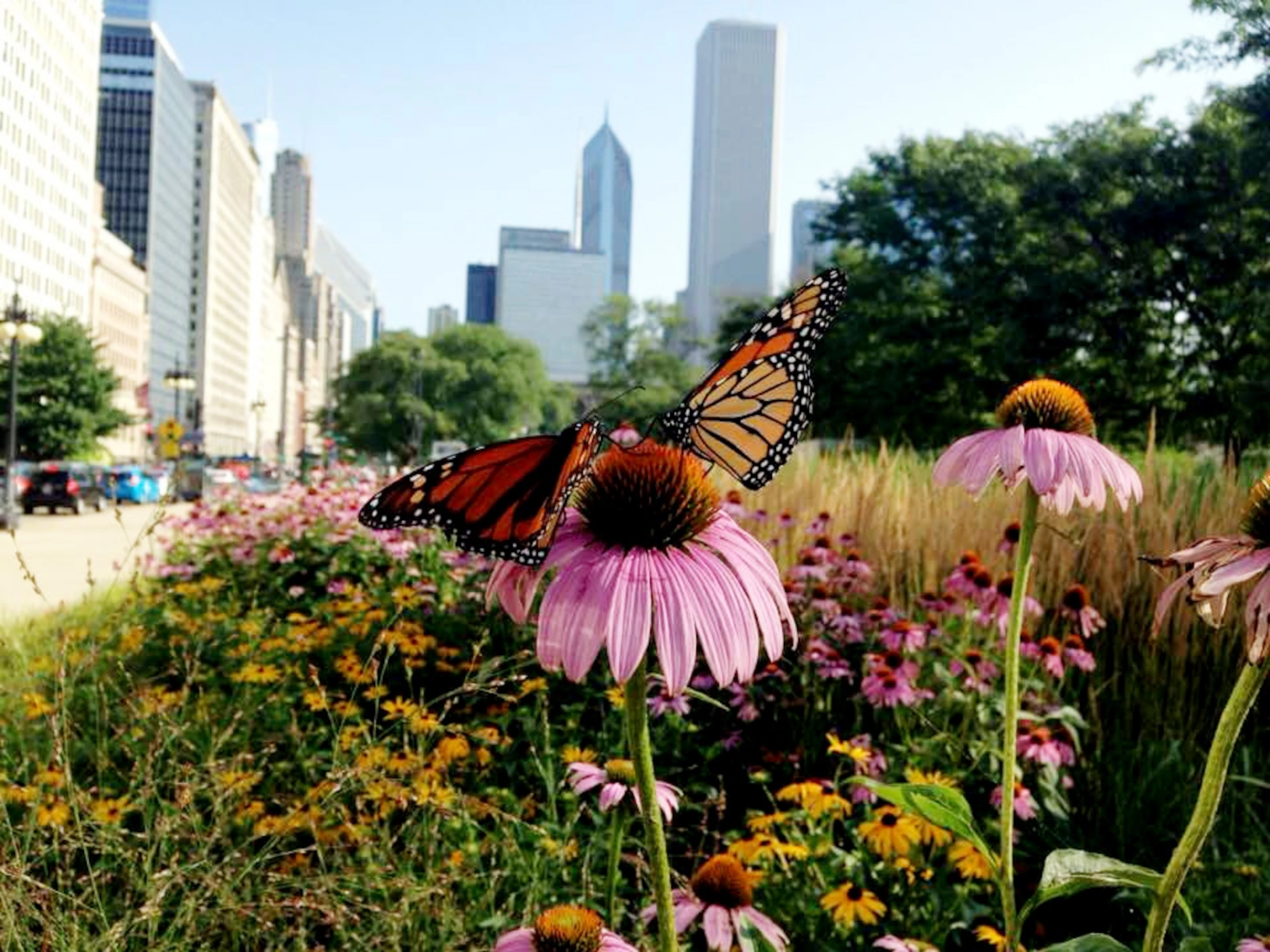
An urban fairy-tale: saving butterflies from urbanization
Cities are expanding and the world has become increasingly urbanised in recent decades. Urbanization is a main driver of global biodiversity loss and insect declines due to habitat loss, fragmentation, and degradation of remaining habitat patches (1–3). Butterflies are often…
-

Behavioral Convergence in Urban Wildlife
Urbanization leads to similar, anthropogenic-induced conditions in cities across the world. Even though cities are located in distinct biomes with variable climates and unique biodiversity, these novel ecosystems completely transform the native landscape in predictable ways. Urban habitats often have…
-

Cities as Evolutionary Incubators: Unlocking the Secret of the Spotted Lanternfly Invasion
If you live in the Northeast United States, the Spotted Lanternfly (Lycorma delicatula) probably needs no introduction. Since their arrival around 2014, these striking planthoppers have transformed from a localized curiosity in Pennsylvania into a region-wide phenomenon, swarming vineyards, coating…
-

Urbanized Invaders
Does urban evolution help or hamper invasive species? Among biologist invasive species have been a well-documented problem for a long time. In the Netherlands ecologist are actively fighting the spread of Japanese knotweed, American crayfish and many more invasive species.…
-

Clever City Crows: How Corvids Conquered the City
What is the most intelligent animal you can think of? Species that likely come to mind are perhaps apes, cetaceans, or elephants. However, in spite of their intelligence, most of the species from these groups are not as abundant as…
-
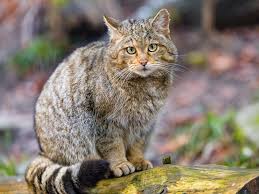
Our cat’s cousin has returned to the Netherlands!
Our cat’s cousin has returned to the Netherlands! The Netherlands, one of the smallest countries in Europe, is getting wilder! A few days ago, I came across an intriguing news report on Jeugdjournaal. It stated that the European wildcat has…
-

Herding cats
Humans and domesticated cats (Felis catus) have lived alongside one another for a very long time and, consequently, humans have taken their cats all over the world (Cecchetti et al., 2020; Pirie et al., 2022; Wijburg et al., 2022). Nowadays,…
-

Dealing with relatives and concrete: how to make the city a refuge for wild bees?
Wild bees are declining at alarming rates in rural environments, but cities have the potential to provide habitat for a surprisingly high diversity of these pollinators (Sirohi et al., 2025). At the same time, urban beekeeping is gaining ground as…
Latest Posts


Latest Comments
adaptation ALAN anole anoles anolis Australia behavior biodiversity bird birds city conference conservation diet ecology Evol2019 evolution Evolution 2019 FID fieldwork gene flow herpetology International Urban Wildlife Conference invasive species IUWC2019 lizard mammals morphology NYC physiology pigeons plants plasticity pollution SICB thermal urban urban birds Urban ecology urban evolution urban heat island urbanization urban observation urban wildlife wildlife