

-
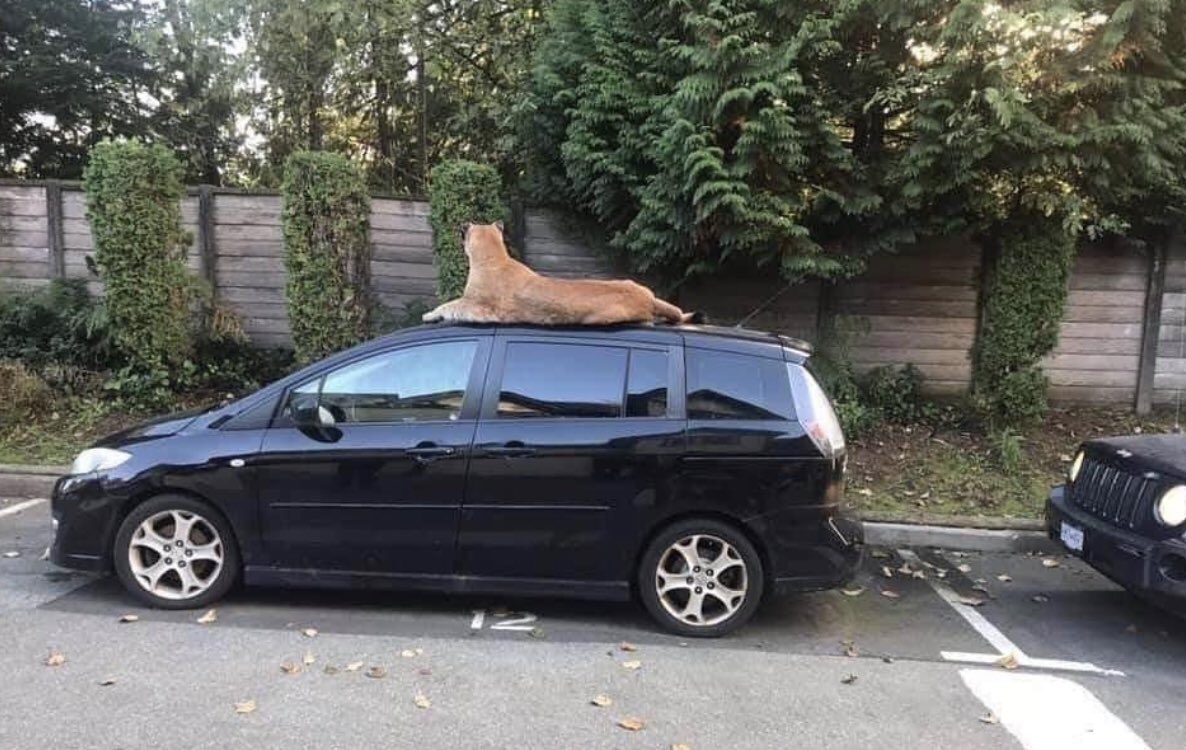
Urban Observation of the Week: Cougar on a Car
The internet loves cats. We see posts frequently of cats basking in the sunlight, sleeping on anything in the house, even if it doesn’t look comfortable. This week, we bring you a cougar chilling on someone’s car! Do you have…
-
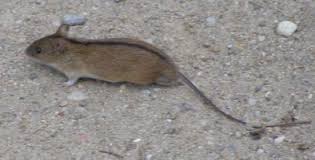
Of City and Village Mice: Behavioural Adjustments of Striped Field Mice to Urban Environments
A recent paper in Scientific Reports, “Of city and village mice” by Dammhahn et al (2020), investigated the behavioral responses of striped field mice (Apodemus agrarius) to urbanization. The ability for an animal to adjust their behavior to a novel…
-
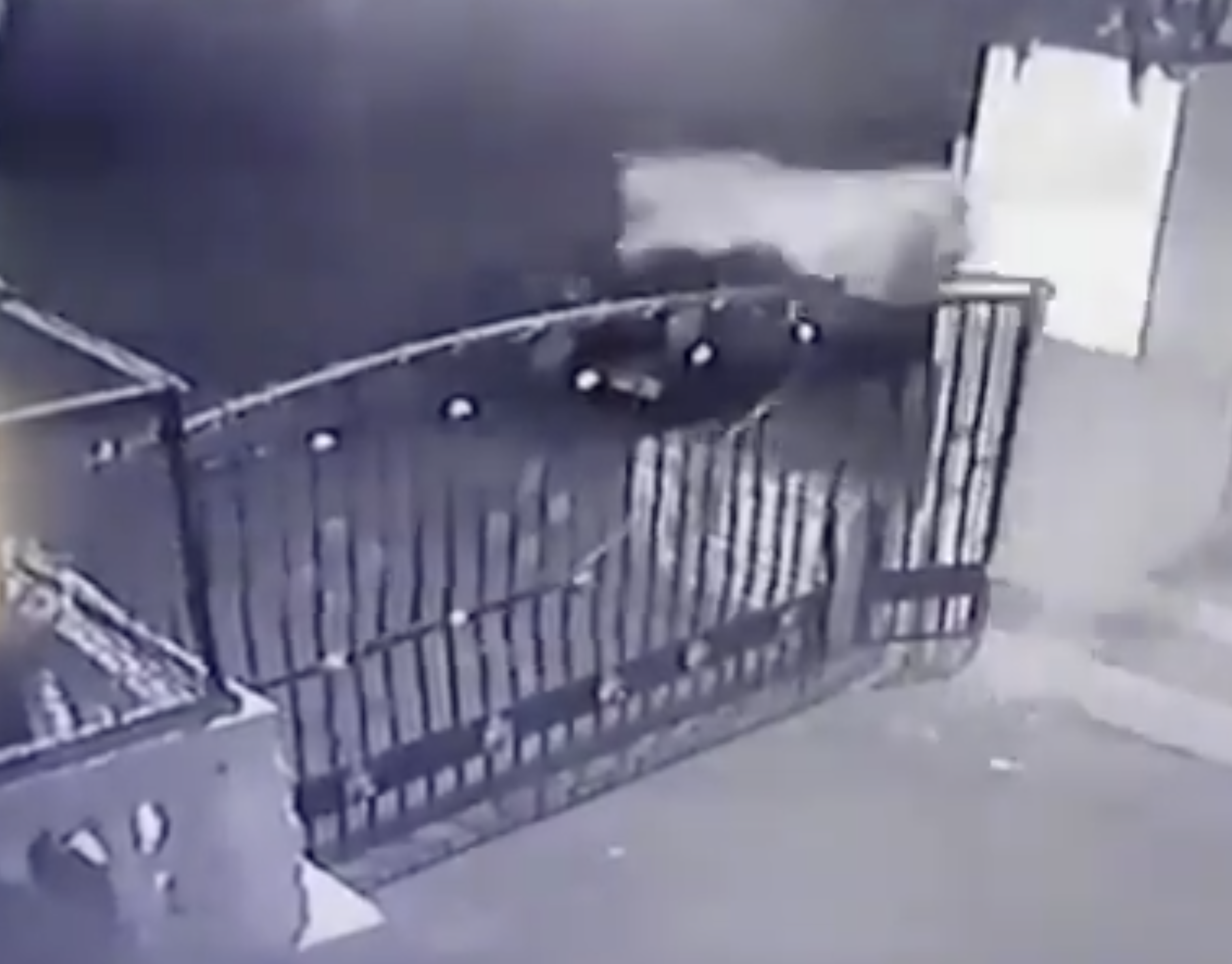
Urban Observation of the Week: Flying Leopard
When large predators roam the city streets, we need to be careful. Since we are taking over their natural habitat, leopards have moved their hunt into the city. Unfortunately, this means that their prey can be our beloved pets. This…
-
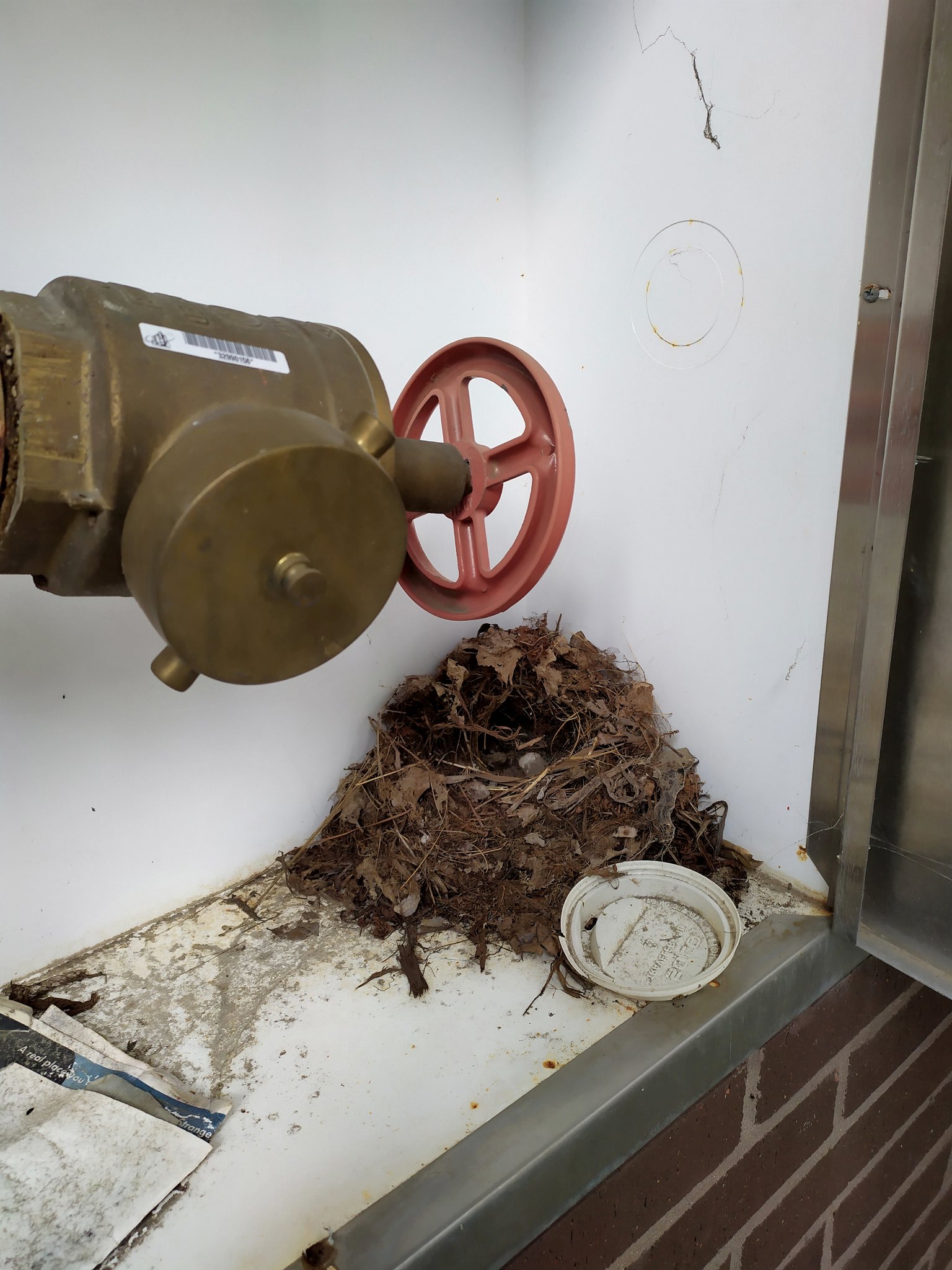
Urban Observation of the Week: Duke Nest
We usually get our urban birders to spot birds while they are out and about in the city. This week, we have the nest at Duke University, while the bird is off in the city. The nest may be abandoned…
-
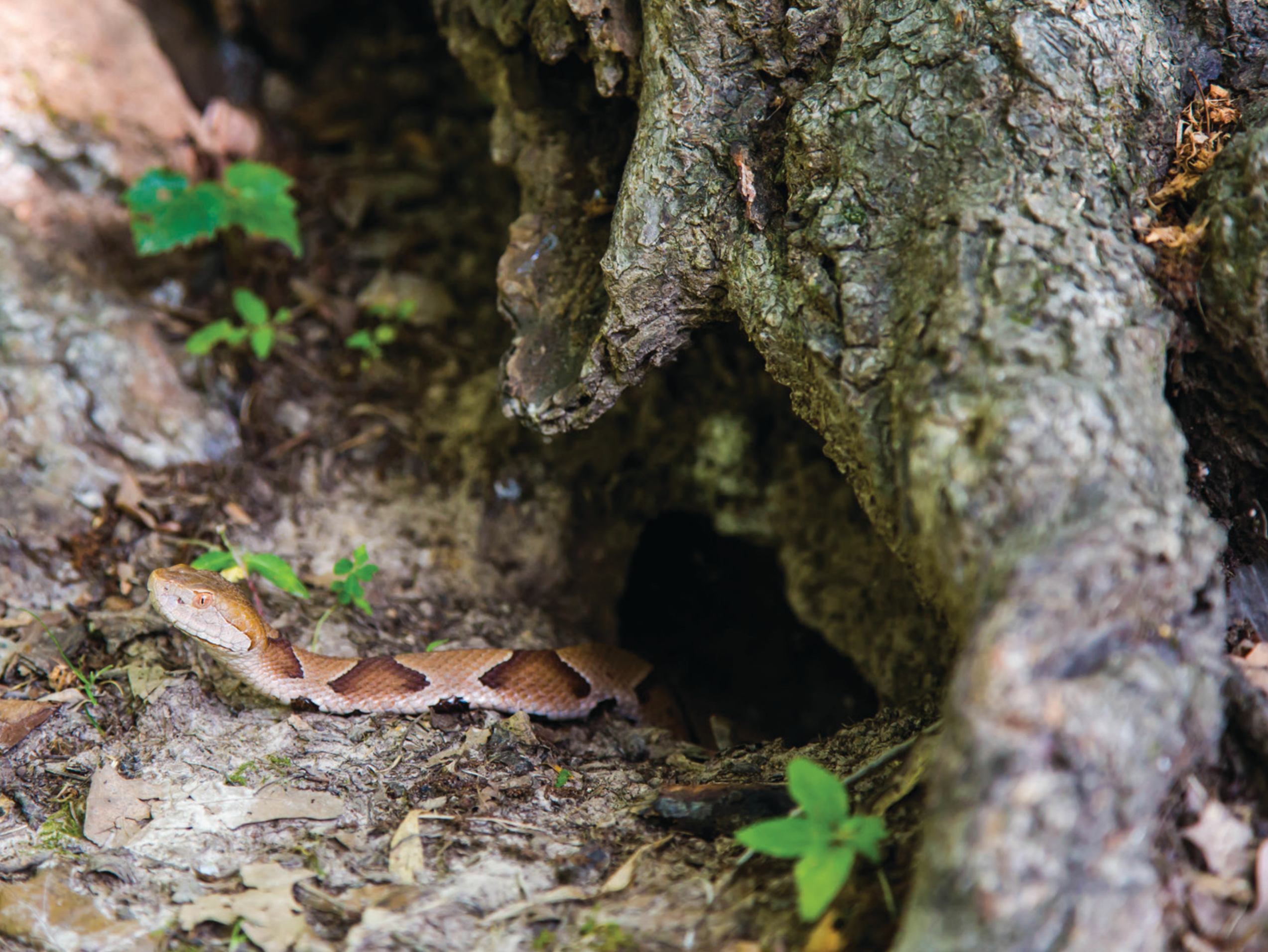
Urban Copperheads Stay Local: Behavioral Ecology in an Urban and Rural Forest
Last year I had the pleasure of meeting Dr. Malle Carrasco-Harris at the International Urban Wildlife Conference (#IUWC2019). Carrasco-Harris has been studying the role urbanization plays in the behavior of Eastern Copperhead snakes (Agkistrodon contortrix) and while we might not…
-

Urban Observation of the Week: Scaling Salamander
Amphibians can be really great “indicator species” that, if they are present and healthy, then the ecosystem is doing ok. Some amphibians though are really great generalists and can tolerate a range of ecosystem changes. This week, we see a…
-
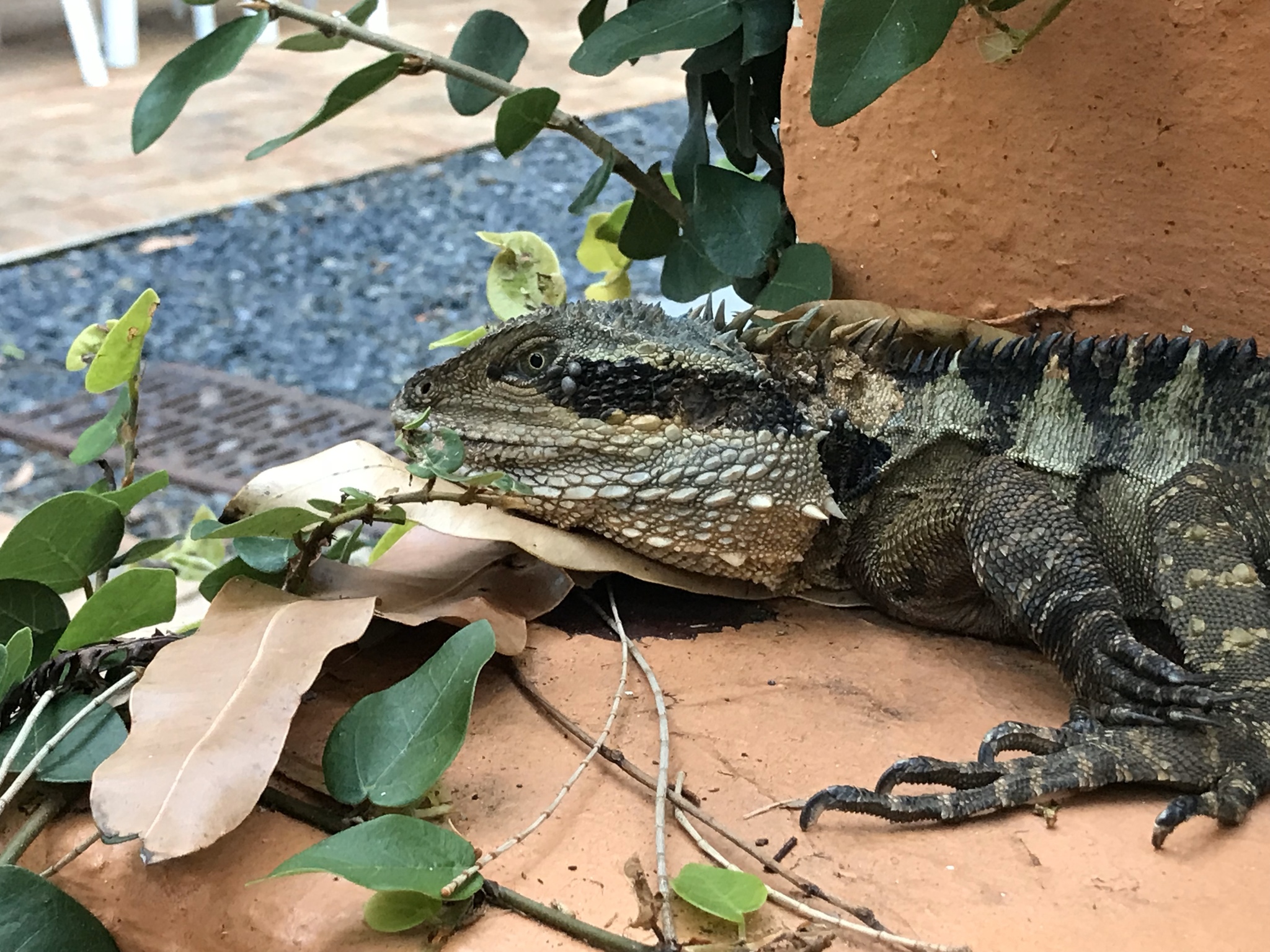
Little Urban Dragons
James Baxter-Gilbert and colleagues from down under — Julia Riley and Martin Whiting — have been digging into the ecological and evolutionary responses to urbanization in a charismatic and common (at least if you’re in Australia) group of lizards: Australian water dragons…
-
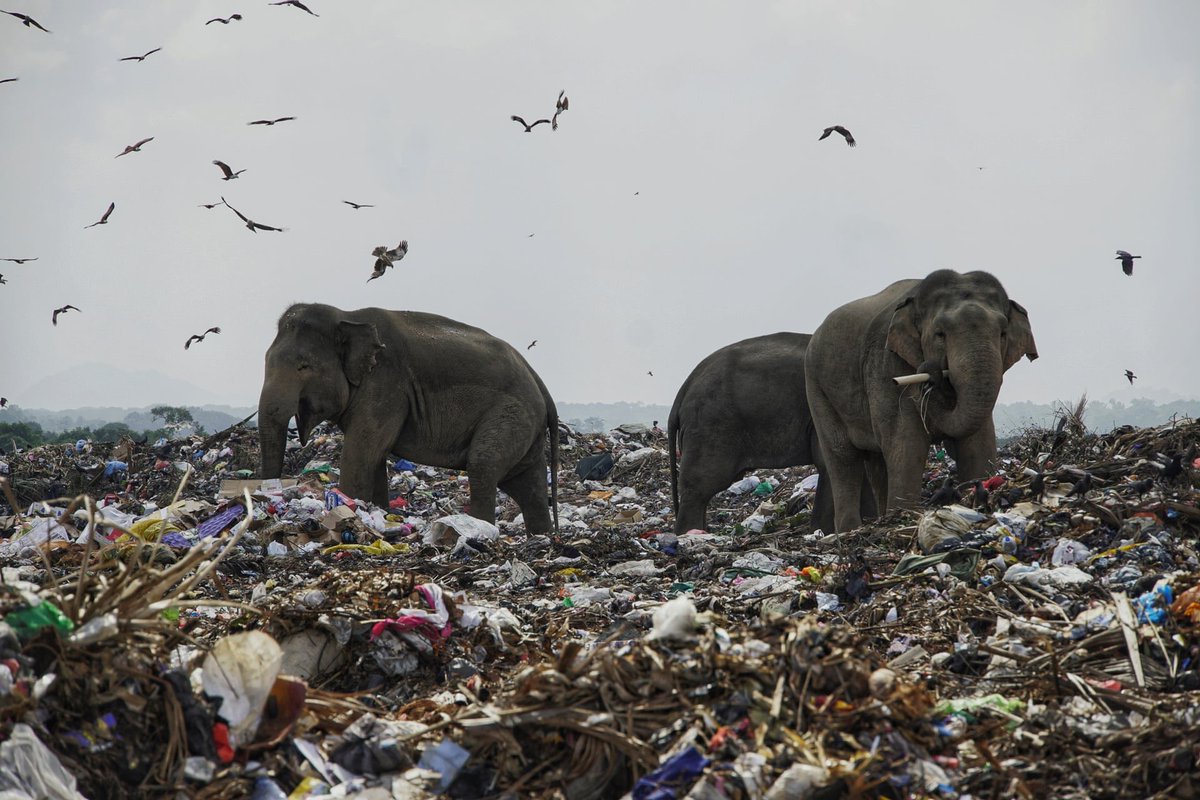
Urban Observation of the Week: Trash Elephants
Elephants have become a metropolitan species in several countries. Some are domesticated work animals, while others others pass through the city looking for food. Today’s observation is brought to us by Alfons Lopez Tena, a sad reality of elephants foraging…
Latest Posts

Latest Comments
adaptation ALAN anole anoles anolis Australia behavior biodiversity bird birds city conference conservation diet ecology Evol2019 evolution Evolution 2019 FID fieldwork gene flow herpetology International Urban Wildlife Conference invasive species IUWC2019 lizard mammals morphology NYC physiology pigeons plants plasticity pollution SICB thermal urban urban birds Urban ecology urban evolution urban heat island urbanization urban observation urban wildlife wildlife