



-
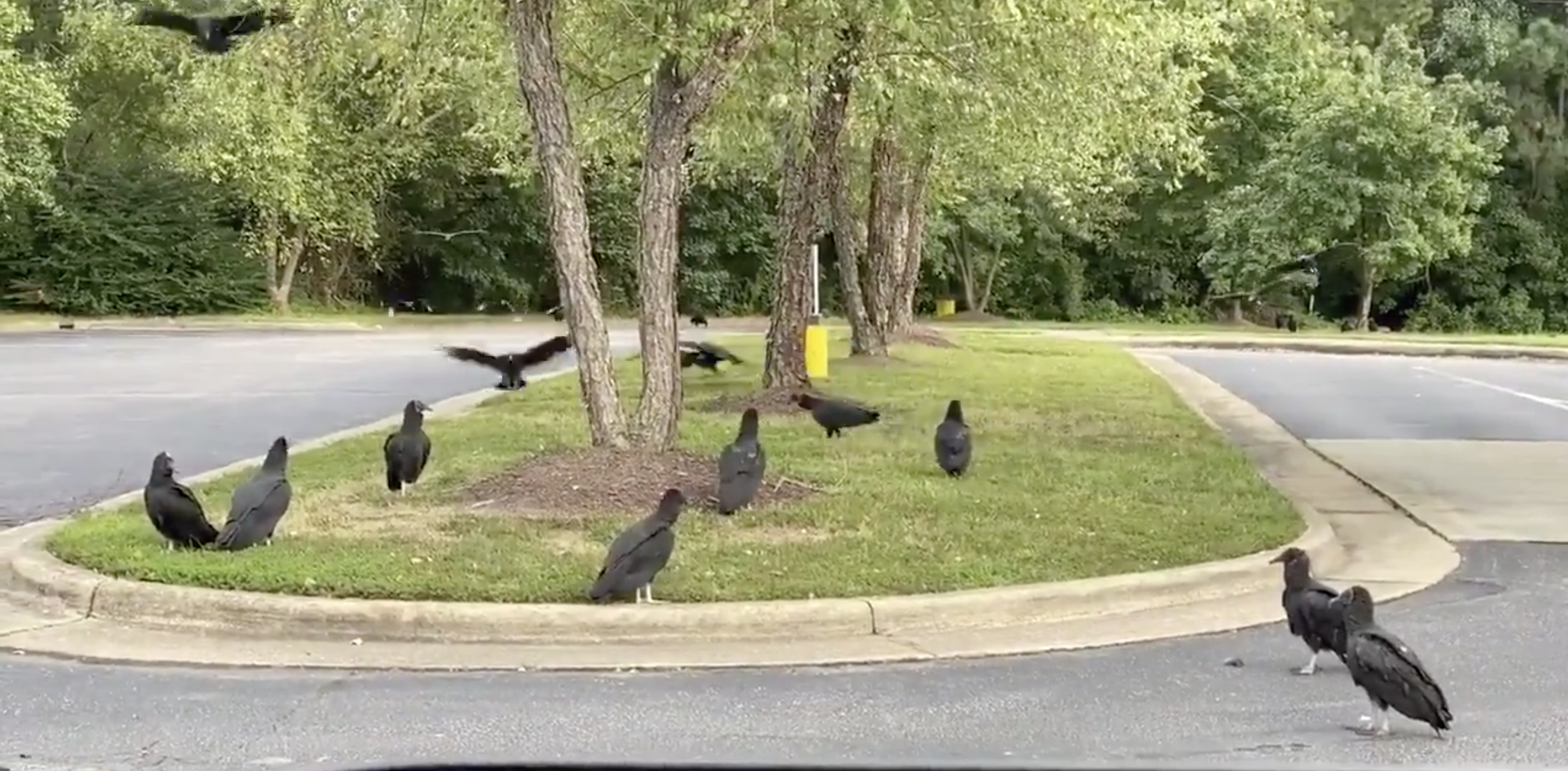
Urban Observation of the Week: Parking Lot Vultures
Urban birders are at it again. This week, we have a group of vultures hanging out in a parking lot, doin’ what birds do… Do you have a photo or video of an urban species doing something unusual? What about…
-
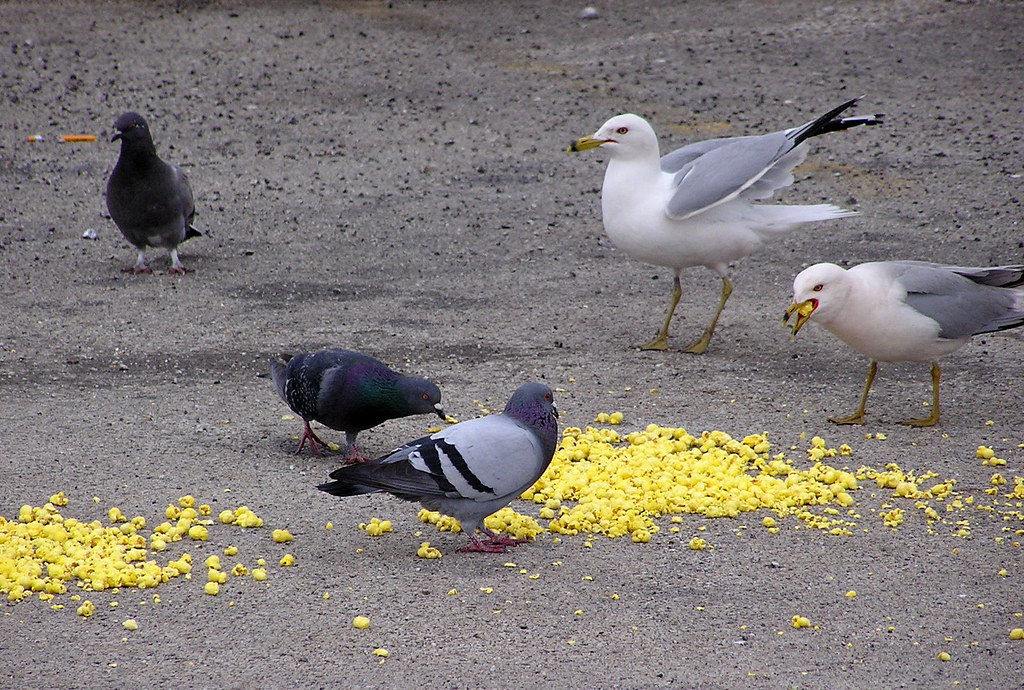
Urban Tolerance is Predicted by Brain Size and Behavioral Flexibility
Urban areas are dynamic, heterogeneous habitats that differ dramatically from your traditional “non-urban” habitats. These centers are complex, multi-level habitats that are full of interacting stressors. Additionally, urban habitats are fragmented via impervious surfaces and are subject to noise, chemical,…
-

Urban Observation of the Week: NOLA Anoles
New Orleans is a great city — good food, good people, good drinks. But the best part about New Orleans? LIZARDS! Keep your eyes open and you’re likely to see lizards crawling on the trees, fences, buildings, and trashcans. Two…
-

A Global Analysis of Urban Reptiles
One of the outstanding questions in urban evolutionary biology is whether there are universal or predictable responses to urbanization, and if so, what factors influence urban tolerance. As small-bodied ectotherms, reptiles are particularly sensitive to many of the challenges of…
-

Moving to the Music: Hedgehog Behavior Changes in Response to Music Festival
We often think about how the construction of new buildings, parking lots, and industrial areas will impact the local wildlife. And, indeed, governments require environmental impact surveys and ongoing monitoring when vulnerable species are present. However, it wasn’t until I…
-
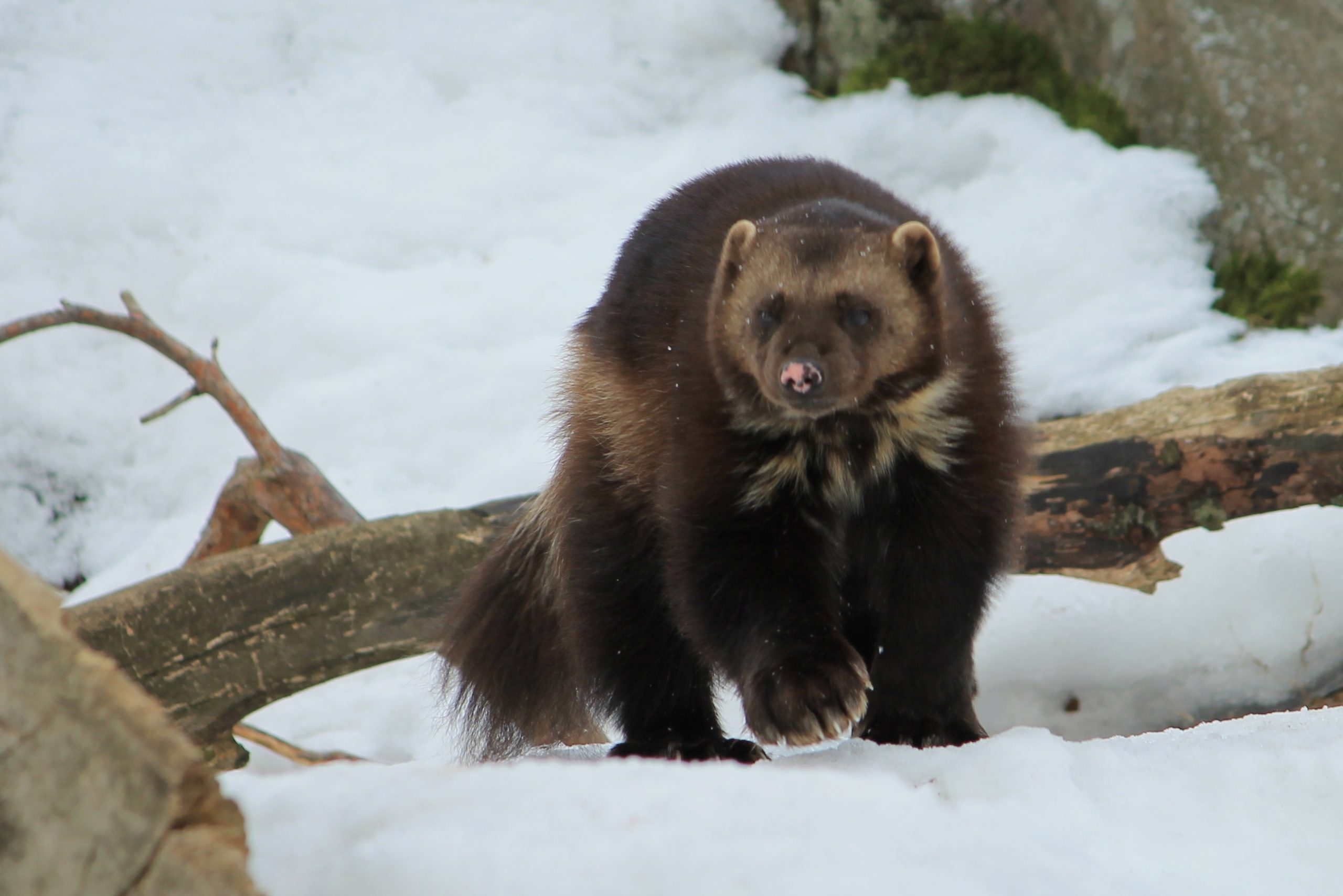
Landcsape Genetics of Wolverines
The wolverine (Gulo gulo, not the Marvel hero) is the largest terrestrial member of the weasel family. In the early 20th century, wolverines were nearly extirpated in the contiguous United States, but still had populations in Canada. However, since their…
-
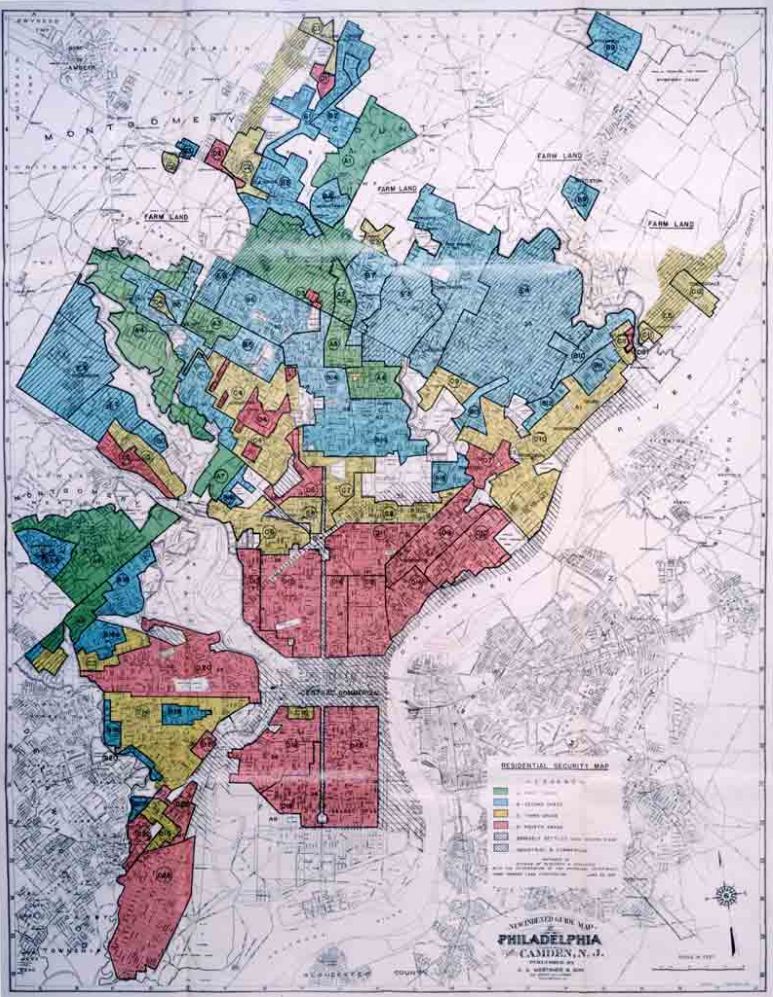
Systemic Racism Shapes Urban Ecology and Evolution
The rate of urbanization is increasing greatly and with that, comes large human populations. Our population has increased from 6 billion people in 2000 to roughly 7.8 billion people in 2020 and in North America alone (~370 million people), over…
-

Understanding the Distribution of Urban Rat-Associated Pathogens
Pathogens are organisms that cause disease, and zoonotic pathogens are those that can be transmitted between animals and people. Where pathogens are found can be determined by environmental changes. Urbanization is known to mediate environmental changes in cities as well…
Latest Posts




Latest Comments
adaptation ALAN anole anoles anolis Australia behavior biodiversity bird birds city conference conservation diet ecology Evol2019 evolution Evolution 2019 FID fieldwork gene flow herpetology International Urban Wildlife Conference invasive species IUWC2019 lizard mammals morphology NYC physiology pigeons plants plasticity pollution SICB thermal urban urban birds Urban ecology urban evolution urban heat island urbanization urban observation urban wildlife wildlife